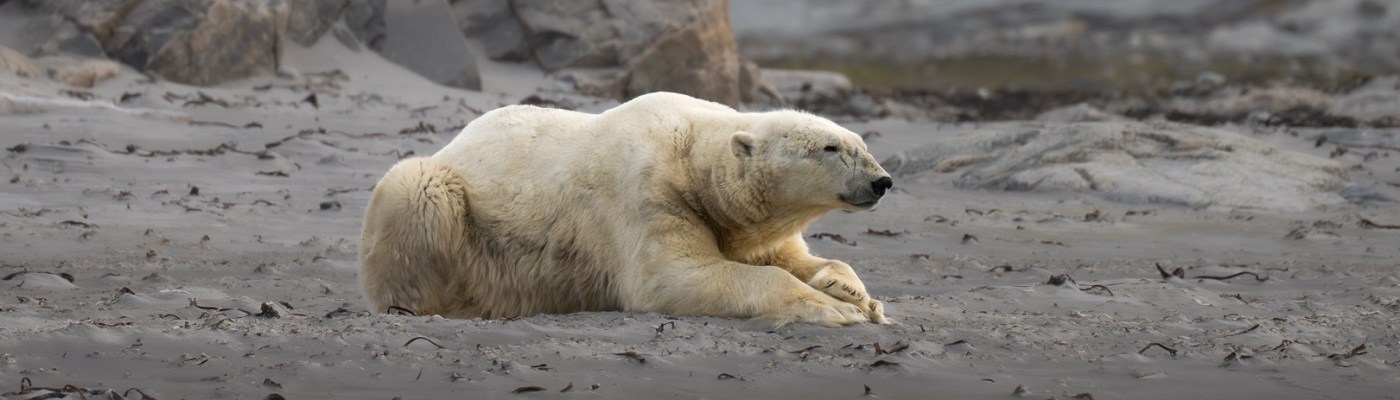
The eastern most island in Svalbard is Kvitøya, or the White Island. There has never been a settlement there and the island is generally left to the polar bears and annoying tourists these days, but the island does play a key part in a notable historical event that began in the late 19th century in Sweden.
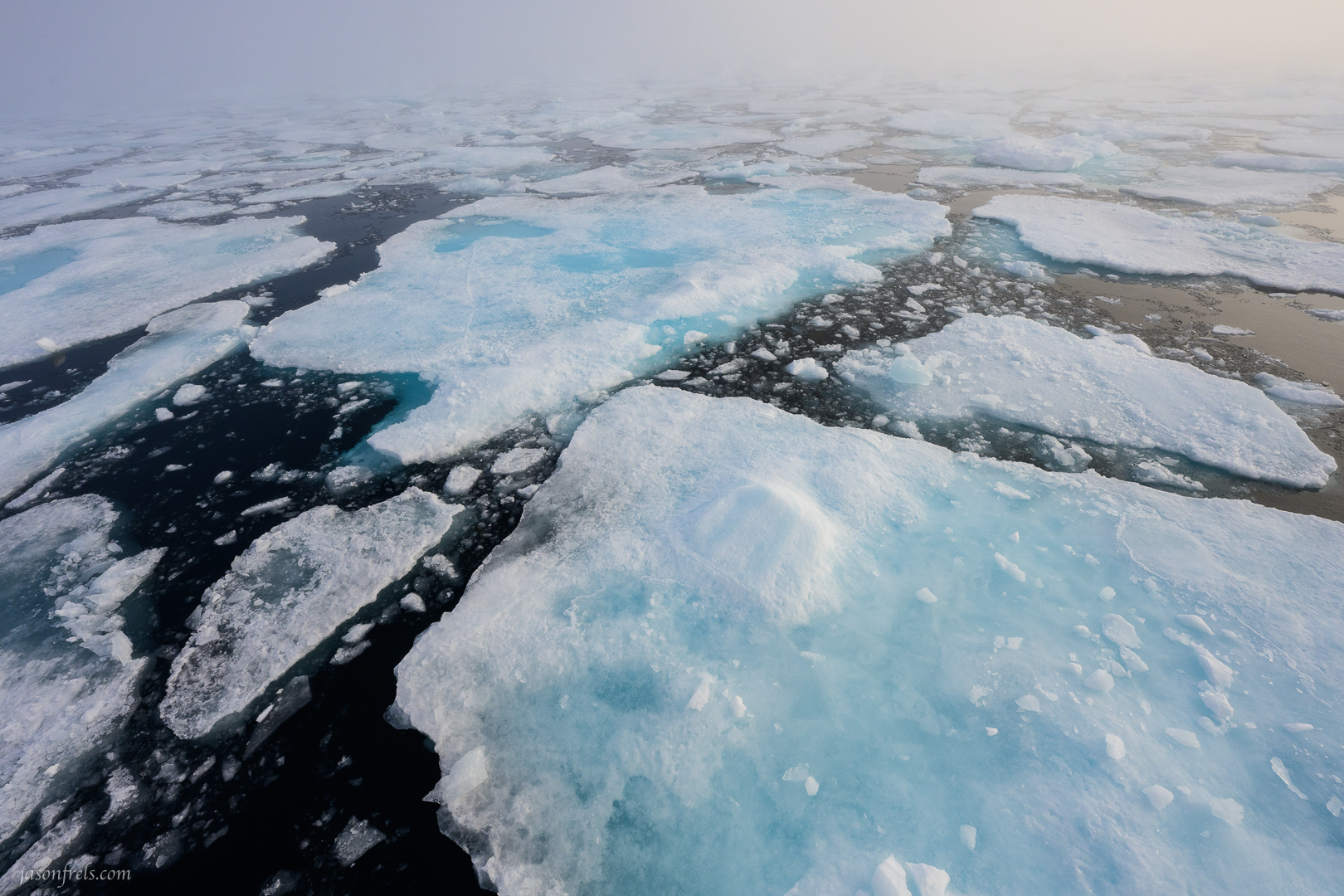
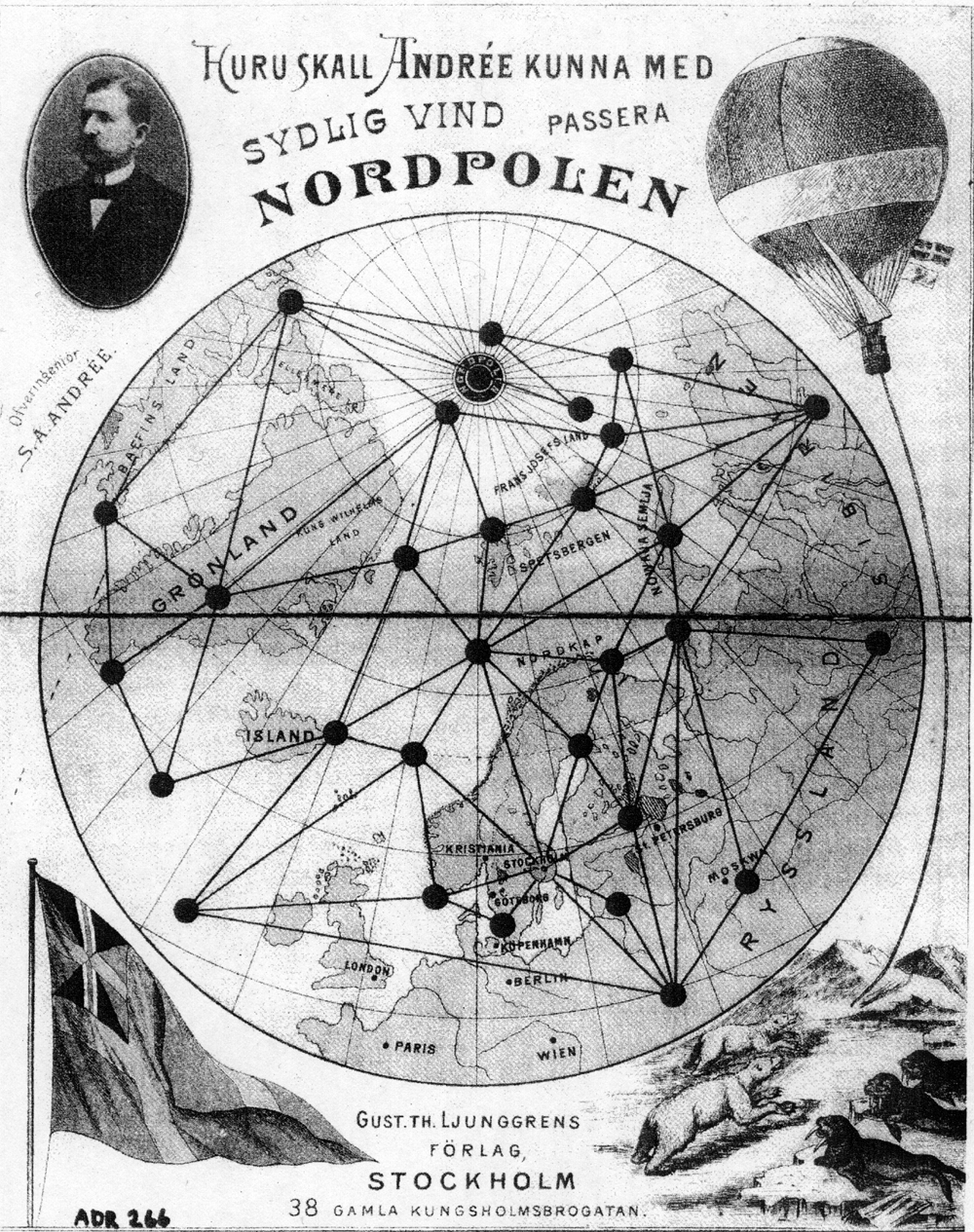
In the late 1800s, adventurism and exploring the remaining unconquered areas of the world was all the rage and Sweden wanted in on it. There was an engineer in Sweden named Salomon August Andrée who wanted to go to the North Pole and had a rather unconventional idea to get there. He knew the Arctic Ocean was impassable by ship due to the sea ice. And one couldn’t simply travel across the ice by foot or carriage because it isn’t a smooth sheet of ice, but rather flows of broken ice shifting around with tall, steep ridges to overcome. Andrée’s revolutionary idea was to fly to the North Pole in a hydrogen balloon. A balloon that would basically be at the mercy of the wind, floating over an ocean with uncharted weather patterns. But Andrée claimed to have a method of steering a balloon with a drag rope and sails and claimed that he could navigate to the North Pole. He planned to launch this ballon from Svalbard, fly north across the Arctic, cross over the North Pole and end up in Alaska or Russia. The image below shows what the Arctic Ocean generally looks like north of Svalbard; floating sea ice and plenty of fog.
Now, why exactly Andrée was so passionate about getting to the North Pole is not entirely known. One theory is that he believed there to be a massive toy factory there and he wanted to establish exclusive distribution rights for all of Europe. Other’s say he was just a crazy adventurist. Whatever the case, he presented his ideas to the Royal Swedish Academy of Sciences and every one was thrilled with his idea, including King Oscar II, and Andrée was provided funds to form a team and build a balloon.
In the 1890s, the place to go to have a balloon built was France and off to France he went and had a hydrogen balloon built with a basket that could accommodate three people for the months long journey across the Arctic. The balloon was packed up and shipped to Svalbard and in 1896 Andrée and two people he recruited for his expedition went to make an attempt. His two companions were Nils Gustaf Ekholm, an experienced Arctic meteorological researcher, and Nils Strindberg, a student of physics and chemistry. But when they got to Svalbard, they found a steady and relentless wind from the north and they also found that their balloon was leaking hydrogen at an unacceptable rate. They eventually packed up and headed back home and Andrée had to make plans for the next year.
At this point Nils Gustaf Ekholm realized that this was a crazy expedition and there was little chance of success, so he bailed out. But Andrée was undeterred by this set back, went and had the balloon fixed up and recruited an engineer named Knut Frænkel to replace Ekholm. And in 1897 the three explorers once again attempted to launch their balloon.
On July 11 1897 they found a favorable wind, got out their balloon and took to the skies. A small group of people watched them takeoff and immediately encounter trouble as their drag ropes began pulling them down. They cast off most of their drag ropes and dumped most of their ballast which allowed them to begin ascending into the sky, albeit at the mercy of the wind without their main steering mechanism. Onlookers watched them fly out over the Arctic Ocean and disappear into the distance.

Later that day, Andrée dropped a communication buoy that was later found that indicated that they were sailing along at 250m. Two days later he released a carrier pigeon that was later captured that said he was at 82 deg. N lattitude and drifting eastward, and that was last message received. Months went by, then years elapsed and nobody had heard from the intrepid explorers. It seemed that the expedition had vanished to never be seen again.
The fate of the expedition remained a mystery for 33 years, until 1930 when a hunting vessel was sailing near Kvitøya. Usually this island could not be approached, but on this warm year the sea ice had retreated and the hunters were able to land on the island. And it was there that they discovered what had happened to Andrée’s expedition when they found his makeshift boat half buried in snow. This boat contained what remained of their supplies, and nearby were two of their bodies, and most importantly – their journals and undeveloped film.
According the their journals, on July 14 1897 the balloon, which had been leaking hydrogen, could fly no more and landed on the ice in the Arctic Ocean. The three voyagers, who were not well equipped for the polar weather, built sleds and loaded them up with their supplies and decided to travel across the ice to Cape Flora in the Russian archipelago of Franz Josef Land as they thought this was the quickest route back to civilization. But they had miscalculated their position and instead wandered the shifting sea ice for nearly 3 months.

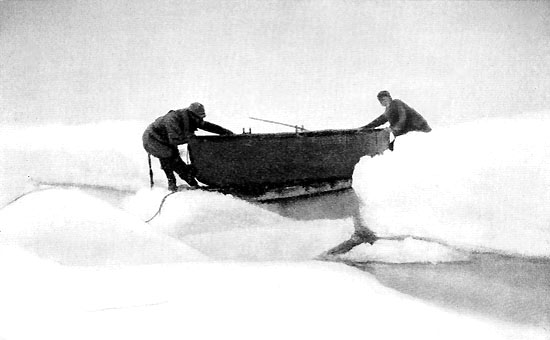
Trekking across the shifting ice was not easy; especially with their heavy sled. There can be ridges taller than houses to overcome and freezing water to cross between the drifting icebergs. They were able to make a boat using the balloon’s fabric to help them on their journey and they hunted seals, walruses, and polar bears to supplement their food supply. By September 12, they abandoned their trek and decided that they would attempt to winter on one of the larger icebergs. But by October 2, the ice had drifted close to Kvitoya and began to break up causing them to flee to the small island.
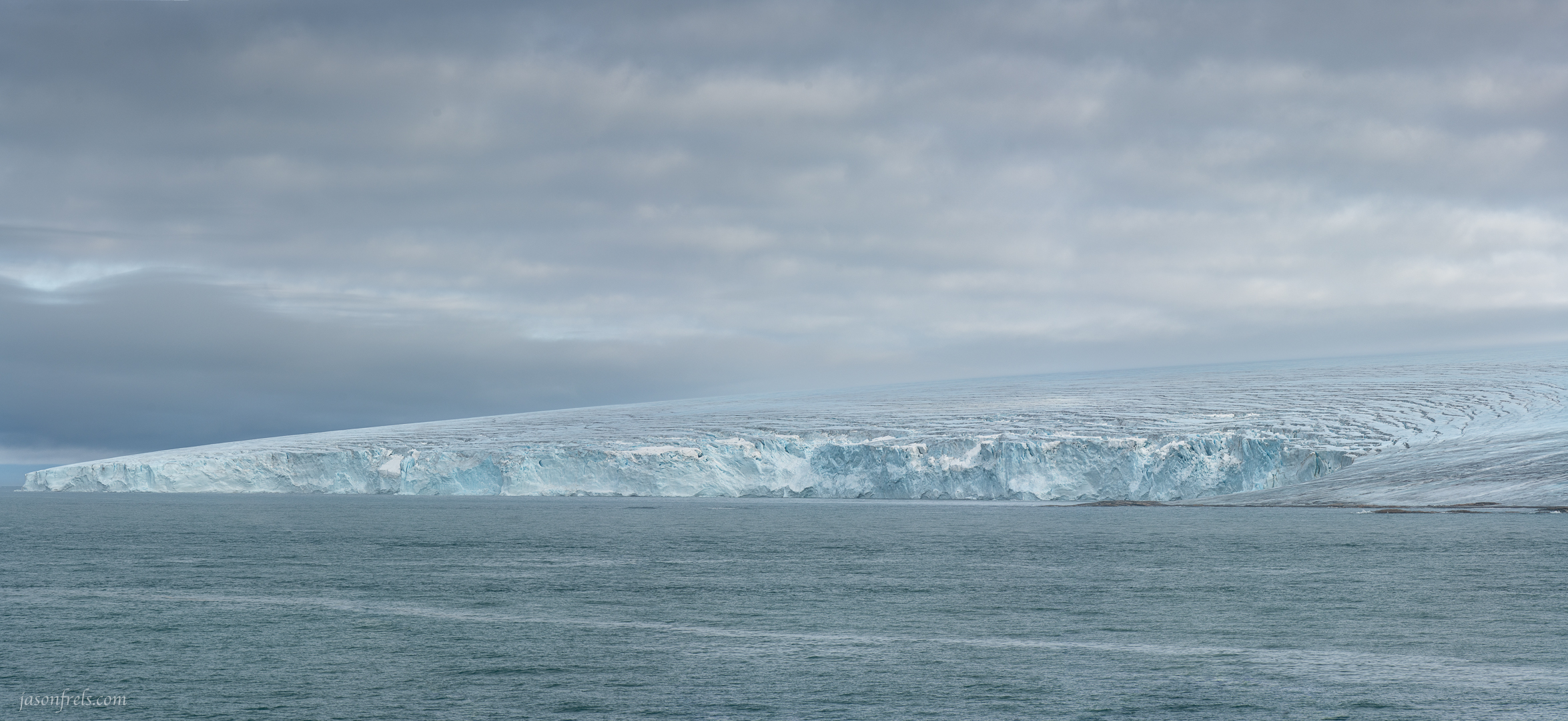
You might think that finally reaching land might be some sort of salvation for our explorers, but Kvitøya is not a very hospitable island for people. Most of the island is covered with a massive ice dome year round and only narrow areas along the shore have land exposed. During this time, the island was nearly perpetually surrounded by ice and few people had ever actually been there, so the chance of finding help on Kvitoya was nearly zero. The island is also a favorite hang out of polar bears, one of the most dangerous animals on earth.
Apparently by October 7, the men had built a shelter on the island and intended to make it through the long, dark winter. Andrée’s last diary entry is on October 8 and he didn’t report anything particularly bad happening. Nobody knows exactly how the men died as their bodies were cremated and no thorough autopsy was performed.
Apparently Strindberg died first as he was found wedged under a cliff and covered (buried) by rocks. It is thought that he died of a polar bear attack as his burial clothes bore the signs of attack. Nils Strindberg also wrote messages in his diary to his beloved fiancée Anna, who had morned his disappearance for years. Frænkel seems to have died next and was found laying in the tent with no mittens or shoes. Perhaps he was also injured in the bear attack. And lastly, our expedition leader Salomon August Andrée died. Andrée’s body was found sitting outside with a rifle by his side and his diary carefully wrapped with a sweater. Several empty bottles of morphine were also found, so it is speculated that he killed himself after the other two died.
Andrée and his team never made it to the North Pole. From their records they made it to just shy of the 83rd parallel when they had to set their balloon down on the ice. But, Andrée did achieve notoriety and a lasting legacy. And poor Nils Strindberg and Anna, who apparently loved each other very much, never got to be married.
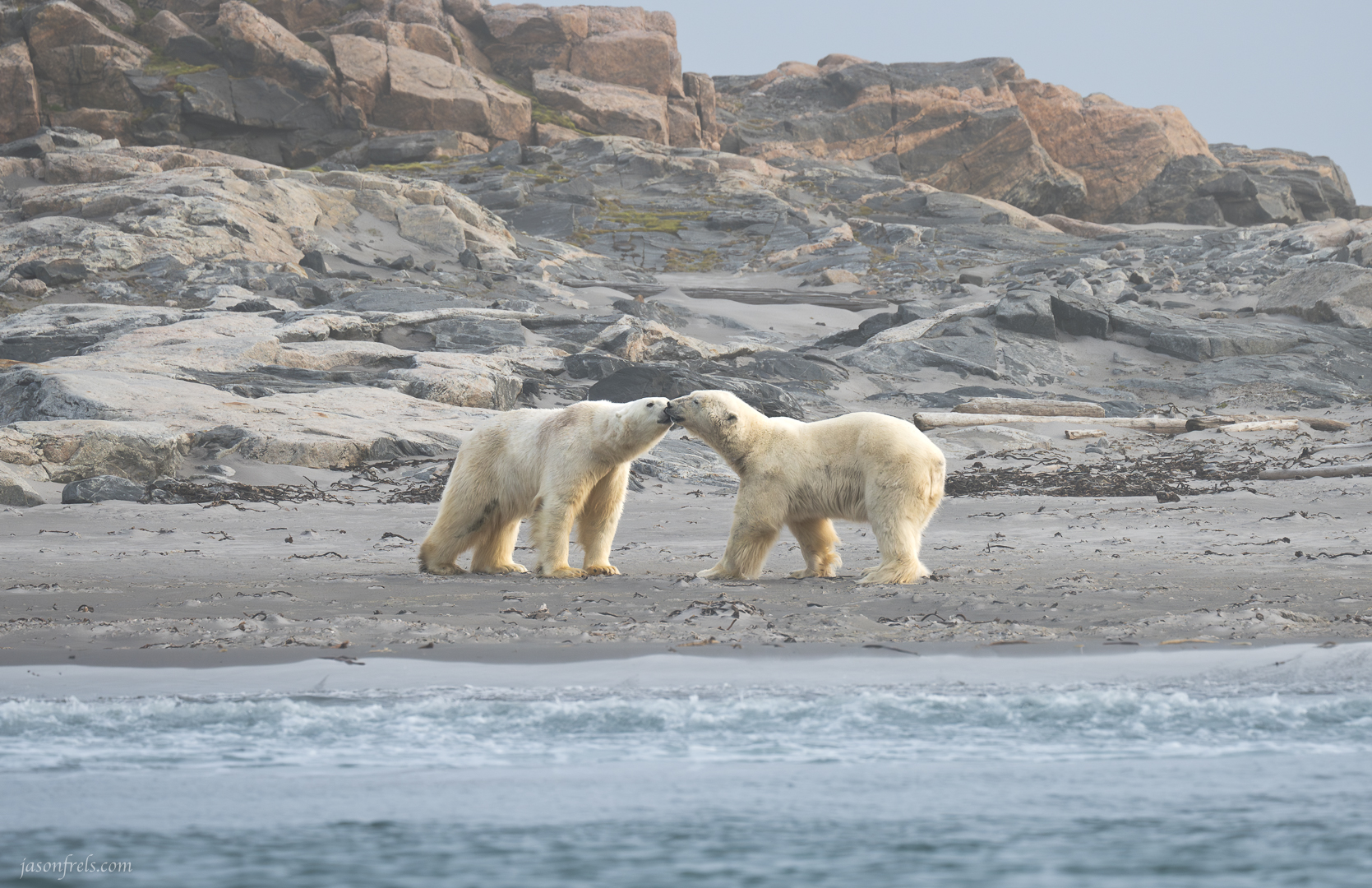
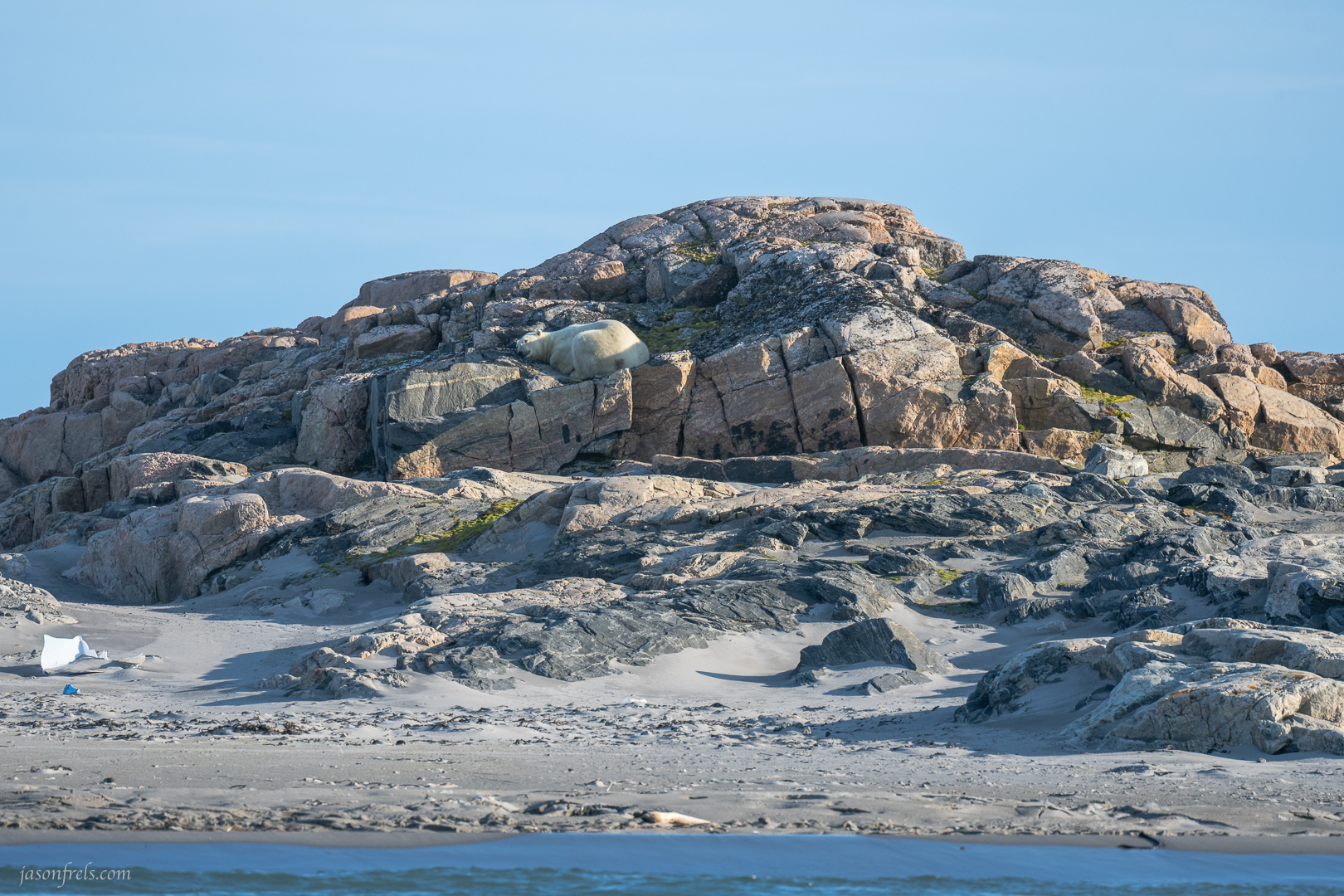
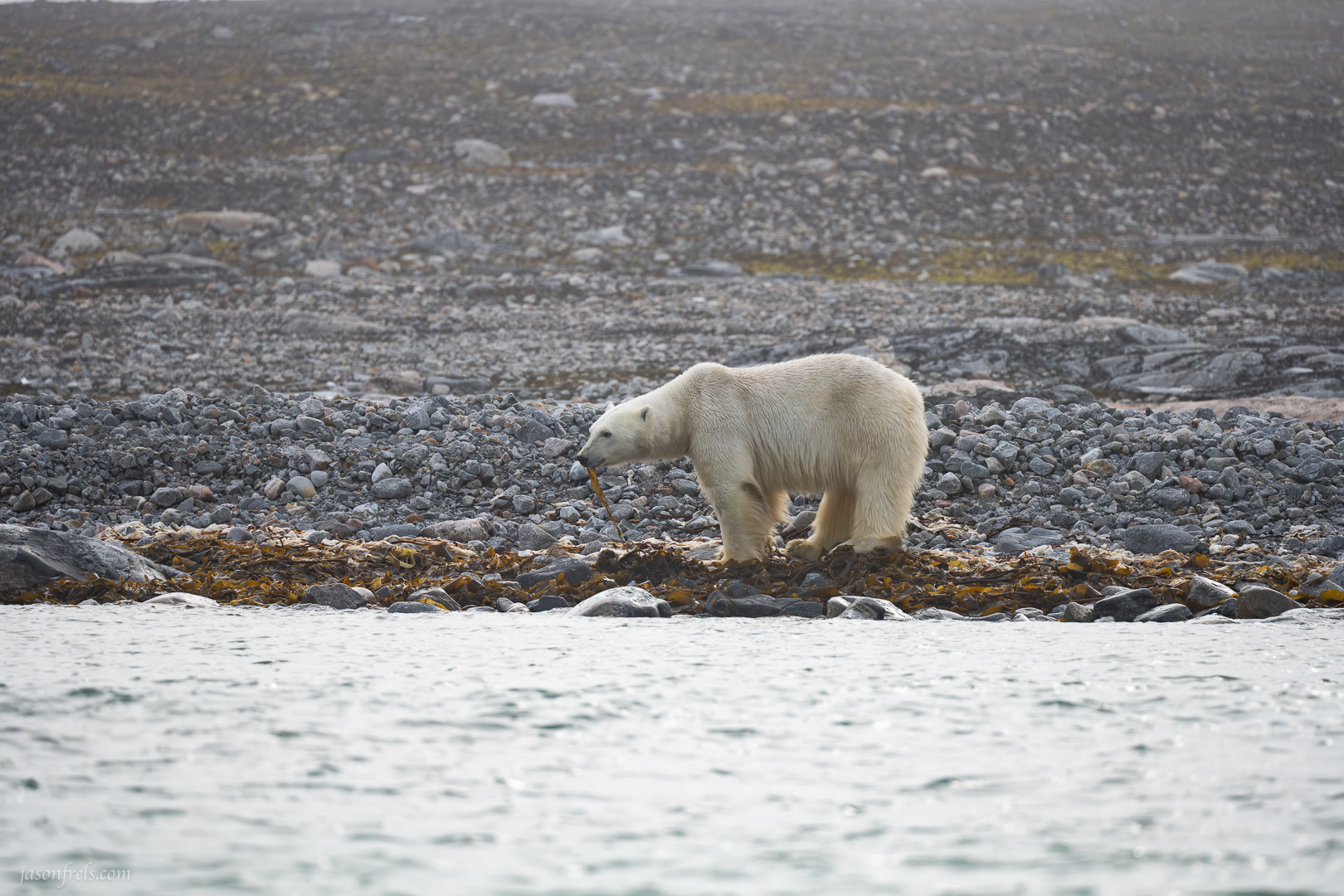
A better way of getting to Kvitøya was in a modern ship with radios and GPS on a clear day. And in these warmer times, the seas around Kvitøya are mostly clear of ice in August. There was never any real chance that they were going to let us land on this bear infested island, but we did get to cruise around on the zodiacs and see the bears. It was also somewhat sunny and when the sun comes out, the ISO goes down so we all rejoiced at that. The bit of exposed coast line we cruised was on the west end of the island and there were at least four polar bears along the shore.
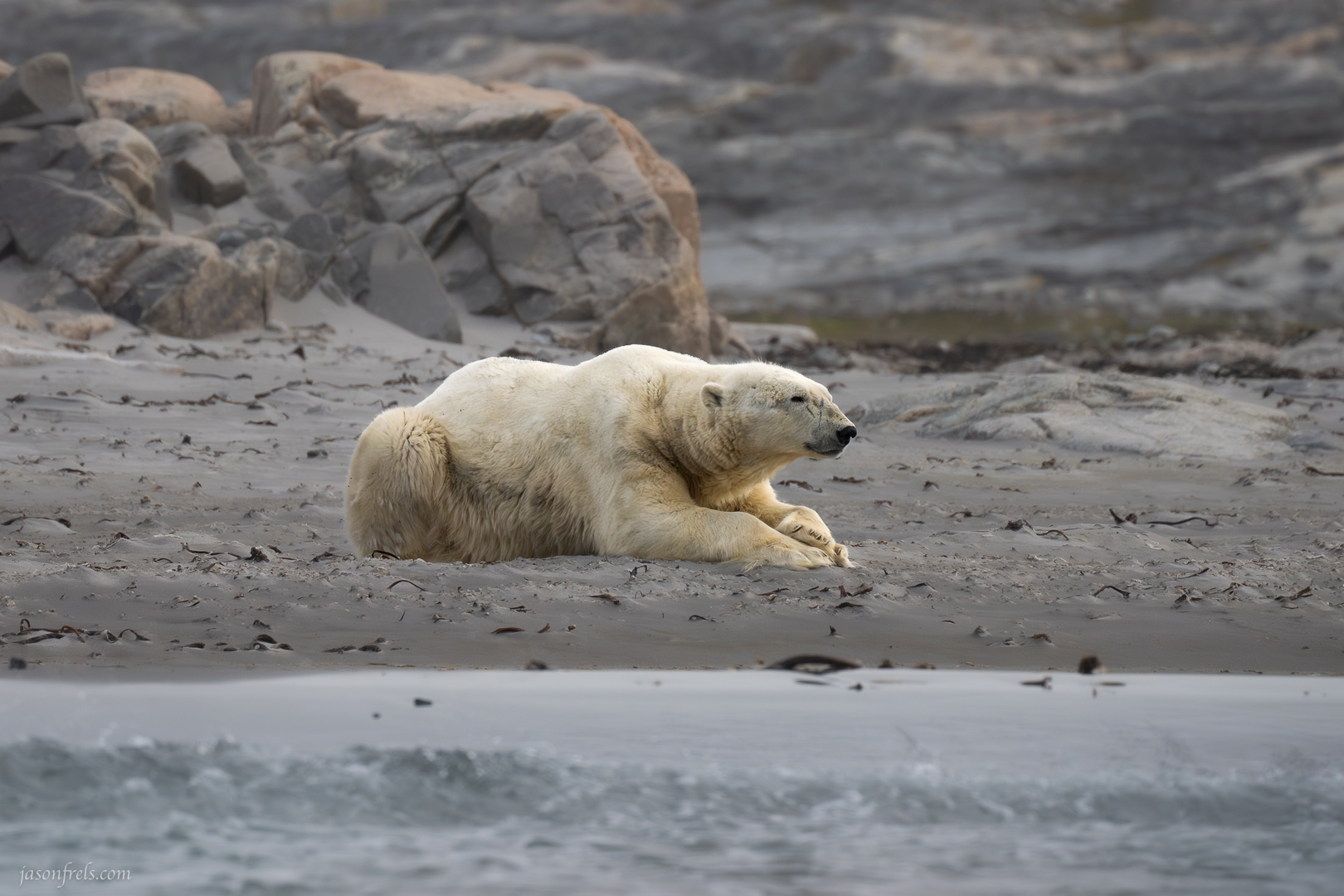
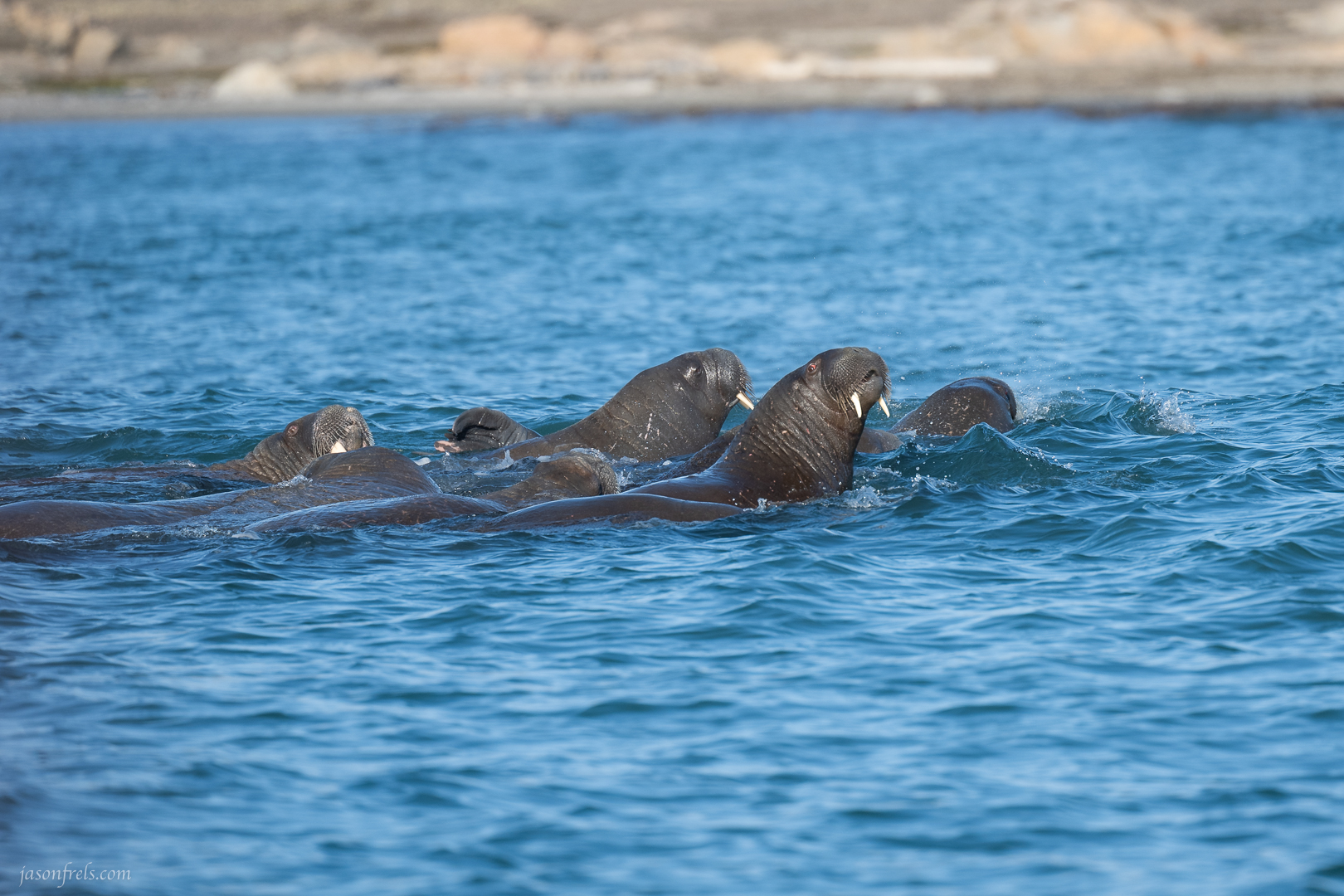
This day I set the record for the most photos taken as there were so many wildlife shots to be had. My Lightroom catalogue counts 1128 images for August 18. When the two bears met on the beach as seen in one of the images above, I remember just holding the shutter down on high speed continuous until the buffer filled up as I didn’t want to miss the excitement. I guess I am lucky that I don’t have a faster camera. I also saw sea monsters bobbing in the water just off shore.
I hope you enjoyed my photos from the white island and reading of the adventure of Salomon August Andrée and his quest to reach the North Pole. After this, we headed North to find the sea ice and to see if we could get closer to the pole than Andrée. That will be in my next blog, so check back in a few days.
 Jason Frels
A great experience I’m sure. Wildlife photography isn’t always easy, but the rewards like this are amazing.
LikeLiked by 1 person
Not quite a Hallmark ending for these three, crazy, but brave travelers!
If Andree wanted to see the toy factory, he would never have found it. Only special elves can see the magical factory.
Anna may not have been reunited with her love, but it looks like the polar bears did. In that one photo, you got of them kissing.
A wonderful photo adventure for you. Great close ups of the bears, and a good story of How NOT to travel!
**no tissues were needed** 😛
LikeLiked by 3 people
No tissues? With that heart-wrenching story. I thought tears for sure.
LikeLiked by 1 person
No tissues needed, but may have picked up a “duck”…. LOL!
LikeLiked by 1 person
I hope that isn’t part of your therapy or I’d say that doctor is a quack.
LikeLiked by 1 person
😂 🤦♀️! PUN-derhead!
LikeLiked by 1 person
The pictures are very good Jason
LikeLiked by 1 person
Thanks. It was quite a shooting gallery on that day.
LikeLike
Terrific reading and viewing!
LikeLiked by 1 person
Thanks!
LikeLiked by 1 person
Wow, what a fascinating adventure story and, OMG…amazing images. What a thrilling chapter in this trip.
LikeLiked by 2 people
Thanks. It was thrilling.
LikeLiked by 1 person
I’ll bet Nils Ekholm was glad he bailed out of this expedition. Amazing how the film was preserved, that documented the last days of these doomed men. This was kind of a harbinger of modern times, where everything seems to be captured on camera.
I love the shots of the polar bears and walruses. Great stuff!
LikeLiked by 3 people
I was going to tell you that you had the wrong guy. That Nils died! But apparently, Nils was a popular name back then. I am sure Nils future wife was glad he bailed out as well.
LikeLiked by 2 people
Or was she?
LikeLiked by 1 person
Yes, in my “hallmark” story she and her future children were very happy and lived happily ever after, unlike poor Anna.
LikeLiked by 1 person
Anna sounds like she was a very high maintenance wife to her eventual husband with all the pining over her lost fiancé for decades.
LikeLiked by 1 person
Or maybe she wasn’t. Perhaps she wouldn’t have pined over her lost love IF her husband had been better?? It would be helpful if she had left a journal behind. 🙂
LikeLiked by 1 person
Her husband seems to have been a very patient and understanding man tolerating all this. I don’t know if she was an heiress or something to make it worth all this trouble.
LikeLiked by 1 person
Oh gosh!
But yet you solved the problem. She was a wealthy heiress and so he only married her for her money. He didn’t love her the way Nils did. He only loved her money. Yes, you are right now. What a sad story this is.
LikeLiked by 1 person
He’s just lucky he quit that expedition, or his life would have been Nils.
LikeLiked by 1 person
Thanks, I’m sure I didn’t capture the historical story as well as you might have, but I did find it an interesting story to go along the photography.
That day was just a shooting gallery for boats full of photographers with long lenses. We had a great time.
LikeLiked by 2 people
I don’t know, but you captured my interest. And my head is so flighty, my interest isn’t captured easily.
I’ll bet you and the other shutterbugs probably learned a few things about photography, just exchanging notes with each other.
LikeLiked by 1 person
There was a lot of discussion about photography and yes, I think I picked up a technique or two. We actually still have an active chat group. I don’t know if I’ll ever see any of them again, but we had a good time together.
LikeLiked by 1 person
That’s great.
LikeLiked by 1 person
There was a Danish woman who was one of the expedition leaders. She actually gave a presentation telling this story and she told it from a very romantic point of view and focused on the love that Nils and Anna had for each other and how sexy she thought his mustache was.
I guess my telling was more focused on the long continuous tragedy of errors that were made and the sad ending. I like her story better.
LikeLiked by 2 people
No, your story is more realistic. I think that Danish woman has spent too much time watching the Hallmark Channel.
LikeLiked by 2 people
Well, she also carried a rifle so she must be a very complex woman.
LikeLiked by 2 people
That was for shooting love notes to her boyfriend.
LikeLiked by 1 person
Groaning!
LikeLiked by 1 person
You told the story well. If you had spent too much time describing the deep love that Anna and Nils had for each other, then I would have needed tissues.
And you pointed out how important journals are. I’m not sure mine will ever provide historical information, but ….they probably will be entertaining for my children.
LikeLike
Really nice photos, Jason. And what an interesting, albeit sad, tale. And what a find, the unprocessed film. Frozen moisture would not affect the film. Can only imagine in the distant future people will wonder why there are so many photos food on tables and people preening in pics like they are looking into a mirror.
LikeLiked by 1 person
Hi Jason,
Nice post and nice pictures. I am quite jealous that you made it there. We were supposed to go as well, but the captain bailed out and it’s no longer possible to go over there 😦 So you were very lucky. I was wondering which cruise ship or with which company did you go with? And it would actually help me if I could also learn what day you were there…
Thanks
LikeLiked by 1 person
I was on an Aurora Expeditions ship and we were there on August 18, 2024. There was heavy fog the previous day so we were lucky that this day cleared up for us.
LikeLike
It’s my humble opinion that it’s quite possible that their deaths very well could be due to Hypervitaminosis A.
Toxic effects of ingesting too much preformed Vitamin A
In short, if you eat Polar Bear Liver
… you die.
LikeLike